


Treadmill Incline Workout: A Step-by-Step Plan
A six-week treadmill incline workout plan with exact speeds, grades and minutes, from a first 24-minute ladder to steady climbs and hill intervals.

On this page
A treadmill incline workout gives you a harder session without running and without pushing the belt speed into a range where your stride falls apart. The catch is that most people jump straight to 12% on day one, grab the handrails, and quit after ten minutes. This plan starts lower than you expect, adds grade in small steps, and gives you three session types to rotate over six weeks. If you are not sure where your starting grade sits, what incline works best for walking breaks it down by fitness level and goal.
The Rules the Plan Runs On
Before the sessions, a few ground rules. They matter more than any single number in the tables below.
- Effort is measured on a 1-10 scale. 1 is standing still, 10 is the hardest you could go for a few seconds. Most of this plan lives between 5 and 7, which is breathing hard enough that you can speak in short sentences but not hold a long conversation.
- Speed stays in walking range. For most adults that means 4-6 km/h. If you want to see where your walking pace sits in real numbers, the treadmill pace chart converts km/h to minutes per kilometer and mile.
- Hands off the rails. Holding on takes load off your legs and makes the grade on the display a lie. If you need the rails, the grade is too high. Lower it by 2% and try again.
- Change one variable at a time. Either speed goes up or grade goes up in a given week, never both.
If you are still deciding what grade your machine can even reach, or what each percentage means in practice, read what incline and speed to walk at first and come back here.
Session 1: The Incline Ladder
This is your entry point and the session you will come back to as a benchmark. The structure follows a progression that Harvard Health laid out in 2017: start at zero incline for up to two minutes, move to 1% for one to two minutes, and keep repeating that pattern until your effort reaches 5 to 7 on a perceived-exertion scale (Harvard Health, 2017). Texas A&M AgriLife Extension describes a similar beginner routine in a 2022 guide: a 5-minute warm-up with no incline, an increase in incline every 2 minutes until you reach moderate intensity, then the same steps in reverse back to zero grade with a 5-minute cool-down (Texas A&M AgriLife Extension, 2022).
Here is how that looks on the console at a steady 5 km/h:
| Minutes | Grade | Target effort |
|---|---|---|
| 0-5 | 0% | 2-3, warm-up |
| 5-7 | 2% | 4 |
| 7-9 | 4% | 5 |
| 9-11 | 6% | 6 |
| 11-13 | 8% | 6-7 |
| 13-15 | 6% | 6 |
| 15-17 | 4% | 5 |
| 17-19 | 2% | 4 |
| 19-24 | 0% | 2-3, cool-down |
Stop climbing as soon as you hit 7, even if that happens at 4%. That grade becomes your top rung, and you hold it for the same 2 minutes before walking back down. Write down the highest grade you reached. Next time you do the ladder, aim to add one more 2-minute step at the top.
If you are completely new to treadmill walking, Texas A&M AgriLife Extension suggests beginners start at 2 to 2.5 mph (about 3.2 to 4 km/h) with a 1% incline in a 2024 article (Texas A&M AgriLife Extension, 2024). Run the ladder at that speed and in 1% steps instead of 2% until the whole session feels manageable.
Session 2: The Steady Climb
The ladder teaches you how grade feels. The steady climb builds the ability to stay there. You pick one working grade and hold it for a long block.
- Warm up for 5 minutes at 0-1% and 4.5 km/h.
- Raise the grade to your working level. Start with the grade that put you at effort 5 on your last ladder. For many people that lands between 4% and 7%.
- Set speed between 4.5 and 5.5 km/h so the effort settles at 5-6.
- Hold for 15 minutes in week one. Add 3-5 minutes per week, up to 30 minutes.
- Cool down for 5 minutes, bringing the grade back to 0% in two or three steps.
The point of this session is consistency, so the effort should feel the same at minute 25 as it did at minute 5. If it creeps up to 7 or 8, slow the belt by 0.3-0.5 km/h rather than dropping the grade. Your calves and the backs of your thighs will notice the climb first. Walking uphill recruits the glutes and hamstrings more than flat walking does, which is exactly why this session feels different from the same time on a level belt.
A posture note: stand tall and lean very slightly forward from the ankles, not from the waist. If you find yourself folding at the hips and staring at the console, the grade is too steep for your current speed.
Session 3: Hill Repeats
Once the steady climb at 20 minutes feels comfortable, add one interval session per week. This is the hardest of the three and should never be done two days in a row.
- Warm up: 5 minutes at 0-2%, 4.5-5 km/h.
- Work interval: 2 minutes at your steady-climb grade plus 3-4%. Speed stays the same. Effort 7.
- Recovery: 2 minutes at 1-2%, same speed. Effort drops to 4.
- Repeat 5 times in week one, building to 8.
- Cool down: 5 minutes at 0%, easing the speed down to 4 km/h.
So if your steady climb runs at 6%, your hill repeats go 9-10% for 2 minutes, then back to 2%. Keep the speed fixed and let the grade do the work. Changing grade every 2 minutes by hand is fiddly, especially at a steep angle where reaching for the console throws off your balance. A phone that controls the belt makes intervals much easier to run cleanly: with Treadmill Pro you can change speed and incline from your phone on supported Bluetooth treadmills, track each interval, and have the finished session saved to Apple Health.
Putting It Together: Six Weeks
Three sessions a week is enough for most people. Rest days can be easy flat walks or complete rest. The schedule below assumes Monday, Wednesday and Saturday, but any spread with at least one day between hard sessions works.
| Week | Day 1 | Day 2 | Day 3 |
|---|---|---|---|
| 1 | Ladder | Steady climb, 15 min | Ladder |
| 2 | Ladder | Steady climb, 18 min | Steady climb, 15 min |
| 3 | Steady climb, 20 min | Hill repeats x5 | Ladder (benchmark) |
| 4 | Steady climb, 22 min | Hill repeats x6 | Steady climb, 20 min |
| 5 | Steady climb, 25 min | Hill repeats x7 | Ladder (benchmark) |
| 6 | Steady climb, 30 min | Hill repeats x8 | Steady climb, 25 min |
The benchmark ladders in weeks 3 and 5 are your progress check. If your top rung has moved up by 2% or more since week 1, raise your steady-climb grade by 1%. If it hasn’t moved, repeat the previous week before going on.
After week 6 you have two directions. Keep grade where it is and push speed toward 6 km/h, or keep speed and work the grade upward toward 12-15% for the steady climb, if your machine goes that high. Walkers who want a broader plan beyond incline work can follow the eight-week program in the walking treadmill guide.
When the Plan Needs Adjusting
No plan fits every body and every machine. These are the situations that come up most often, and what to change.
Your shins or calves ache after the first week. Lower the steady-climb grade by 2% and stay there for another week. Give your lower legs time to adapt before adding grade again, and keep your stride short rather than reaching.
The effort never gets above 4. Your machine may be reading grade conservatively, or you might be fitter than the starting numbers assume. Raise the speed to 5.5-6 km/h before going higher on grade, and check that you aren’t holding the rails.
Your treadmill tops out at 10% or lower. That covers the whole plan for most people through week 6. When 10% gets easy, add a weighted vest only after the steady climb at 10% feels like effort 5, or simply add speed. Compact models with limited incline are covered in the foldable treadmill with incline guide if you are shopping.
You get light-headed during the cool-down. Don’t skip it, and don’t stop the belt abruptly from a steep grade. Bring the grade down in steps of 2-3% over a few minutes and keep walking until your breathing settles.
You have a heart condition, joint problems or haven’t exercised in years. Check with your doctor before starting, and run the ladder at the lowest speeds and 1% steps until you know how your body responds.
Your First Week
Do the ladder on day one and write down three numbers: the speed you used, the highest grade you reached, and the effort you felt at that grade. Those three numbers set your steady-climb grade for the rest of the week. Do the ladder again on day three and compare. If the top rung felt easier, you are ready for week 2. If it felt the same or harder, repeat week 1 with an extra rest day before moving on.
Related articles
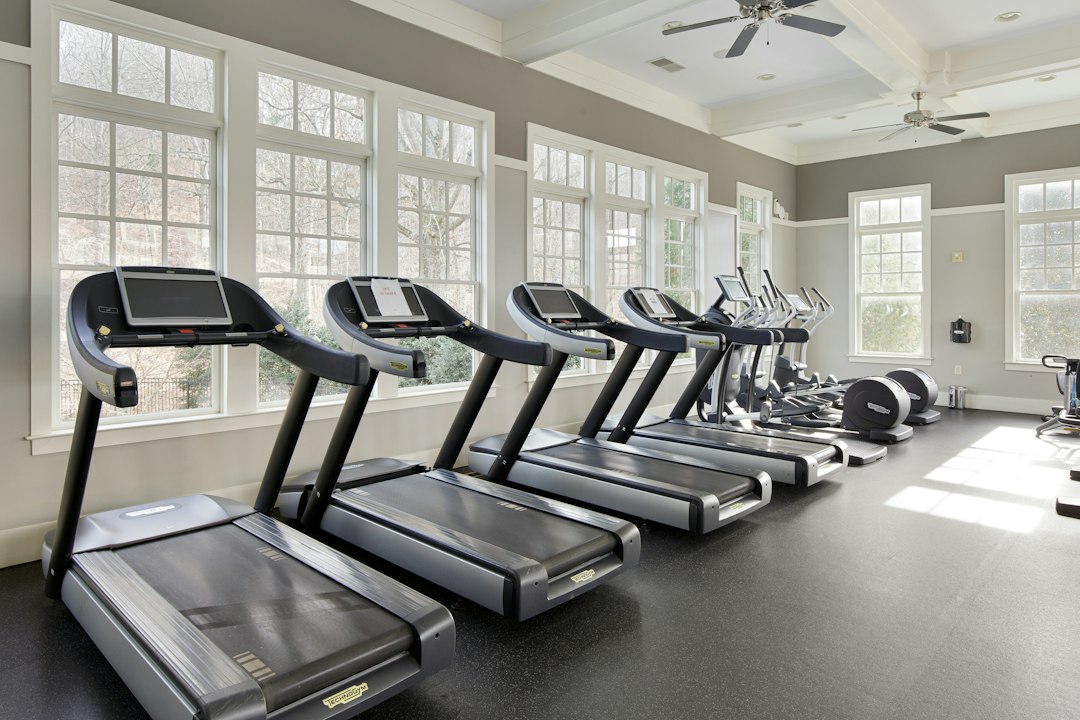
What Incline Should You Walk on a Treadmill?
What incline should I walk on a treadmill? Starting grades by fitness level and goal, three ways to check your number, and a four-week plan to build it.
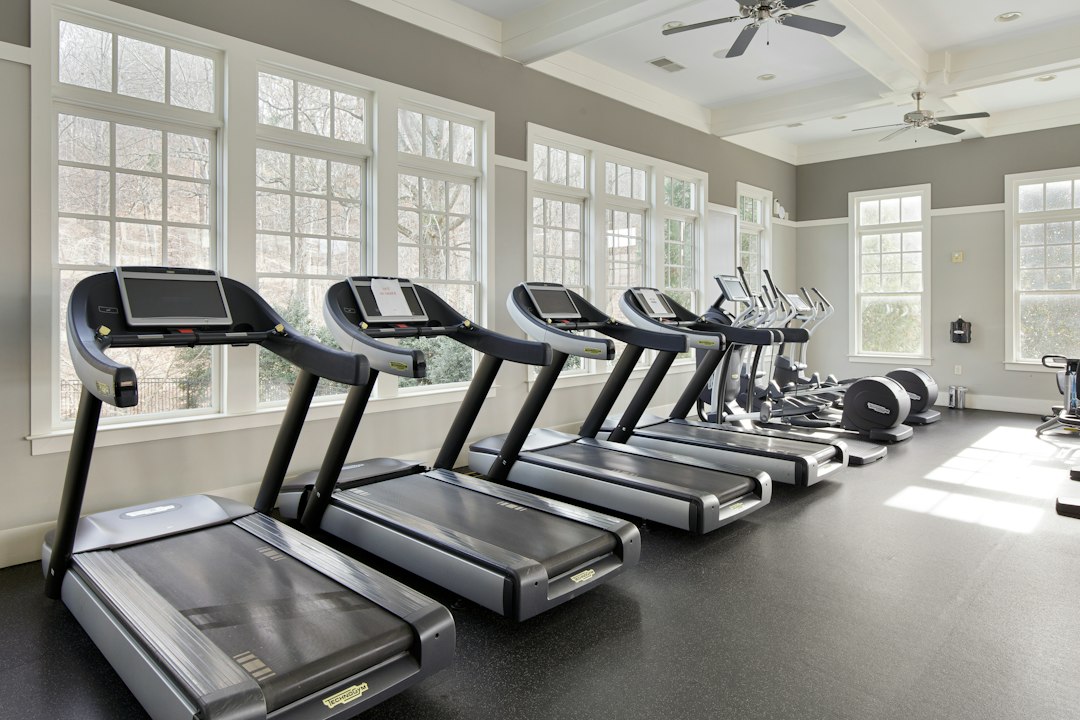
Treadmill With Incline: What Grade and Speed to Walk At
What incline and speed to walk at on a treadmill: a calorie table by grade and speed, a 20-minute test to find your working grade, and four weekly formats.
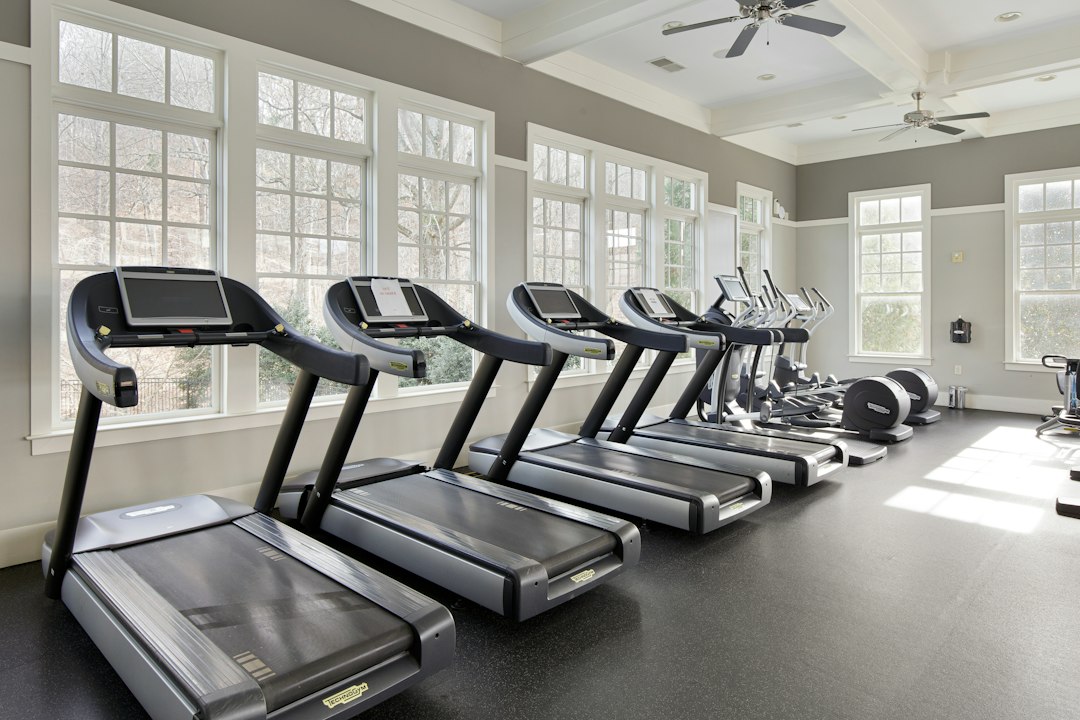
Best Treadmill for Walking: Top Picks and What to Look For
How to pick the best treadmill for walking: deck size, motor, incline range and folding, plus which type of machine fits your home and your walking plan.
🏃
Ready to take control of your run?
Connect Treadmill Pro to your treadmill and track every stat - right from your iPhone.


Free · iPhone, iPad & Android