






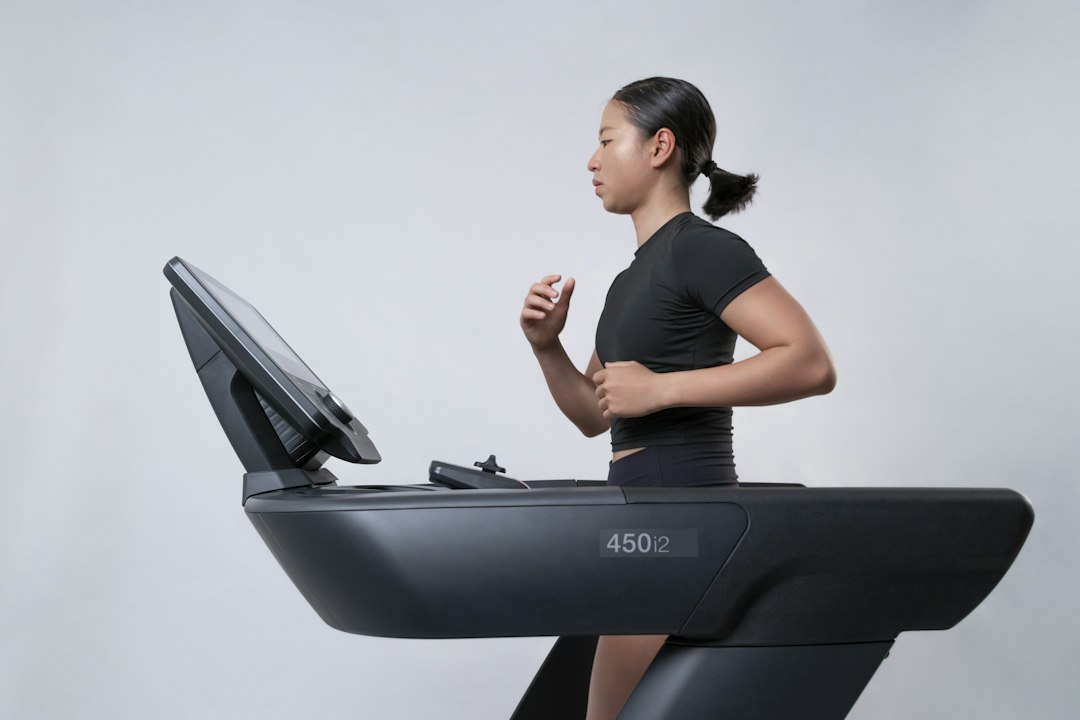
A foldable treadmill with incline sounds like the perfect compromise: hill training on weekdays, a free corner of the living room on weekends. In practice, the fold and the incline both add moving parts to the same frame, and cheap designs cut corners on one to afford the other. This checklist covers what to inspect, what to measure at home first, and which specs matter more than the marketing suggests. If walking is the plan and the incline is a bonus, our picks for walking treadmills start from that use.
Why folding and incline pull against each other
A flat, non-folding deck is the simplest structure a treadmill can have. Adding a hinge means the deck is no longer one rigid piece bolted to the base. Adding incline means a lift motor, a lift arm and a pivot at the front of the frame. Put both on one machine and the manufacturer has to keep the deck stable while it tilts up to a steep grade, then keep it light enough that you can raise it to vertical without straining your back.
That tension shows up in three places:
- Deck flex at high incline. A thin frame can bounce or creak when you walk at 10% or more.
- Hinge wear. Every fold cycle loads the hinge pins. If you fold daily, this matters more than peak speed.
- Lift motor placement. Some designs put the incline motor where it gets knocked when the deck folds, which shortens its life.
If you already know why grade training is worth it, the basics are in our guide to using a treadmill with incline. This article is about choosing the hardware.
Incline range: how much you actually need
Budget folding models often stop at 3-6% manual incline, set by a pin you move with the belt stopped. Mid-range and premium folding machines use a motorized lift and reach 10-15%. Some also add decline. The NordicTrack Commercial 1750, a folding model, runs from -3% decline to 12% incline (Fortune), which shows that a folding frame can support a full hill range when it is built for it.
How to decide:
- Walking for general fitness: 8-10% motorized incline covers almost every useful workout. Brisk walking at 5-5.5 km/h on 8% is already hard for most people.
- Hiking or rucking prep: look for 12% or higher. Steady climbs at 12% and 4.5 km/h are close to a real trail grade.
- Runners: incline above 6% at running pace is rarely used. Prioritize belt length and motor, and treat 10% as enough.
- Decline: useful if you train for downhill races or hilly routes, otherwise a nice extra rather than a requirement.
Manual incline is a real downgrade, not a small one. You cannot change the grade mid-interval, so structured hill sessions become stop-start. If incline is the reason you are buying, pay for the motor.
The hinge and fold mechanism
This is where folding treadmills differ most, and where showroom demos tell you the least. When you inspect one, check these points:
- Soft-drop or hydraulic assist. A gas strut lowers the deck slowly. Without it, a heavy deck can slam down, which is a pinched-finger risk and hard on the frame.
- Locking latch. The folded deck should lock with a clear click, and the latch should need a deliberate action to release. Check whether it can be opened by a child pushing on the deck.
- Lift weight. Raise the deck yourself. If it takes two hands and a squat, you will stop folding it within a month, and the space saving disappears.
- Folded footprint. Measure depth and height when folded, not just when open. Vertical-fold models stand close to the wall, flat-fold models slide under a bed or sofa but usually give up incline and motor size.
- Wheels. Front transport wheels should roll on your actual floor. Hard plastic wheels on wood floors leave marks.
Flat-fold and under-desk machines are a separate category built around low height, and most of them have little or no incline. If floor space is the top priority, our small treadmill guide compares the compact formats in more detail.
Motor, belt and frame specs that matter on a hill
Incline puts more load on the drive motor than people expect, especially at walking speeds where the belt moves slowly under full body weight. A folding frame does not change that physics, so the drive specs need to hold up.
Motor. Look at the continuous rating, not the peak number printed on the box. For regular incline walking, 2.5-3.0 CHP is a sensible floor, and heavier users or runners should aim higher. The reasons are explained in our breakdown of treadmill motor size.
Belt size. A 50 x 140 cm running surface works for walking. For running, 55 x 150 cm or longer gives room to stride. Good Housekeeping notes the NordicTrack Commercial 1750 has a five-foot running belt and speeds up to 12 mph (Good Housekeeping), which is roughly 152 cm of length and about 19 km/h top speed. That is the kind of spec that keeps a folding machine usable for runners.
Max user weight. Take the listed number and subtract 20-25 kg as your comfortable working limit. Frames rated close to your own weight tend to flex most at high incline.
Frame material and deck thickness. Steel frames with a thick deck feel quieter and more planted on a slope. If the spec sheet does not list deck thickness, walk on the machine at its highest grade and listen.
Testing a folding incline treadmill before you pay
If you can try the treadmill in a store, or you buy from a seller with a free return window, run this 15-minute check:
- Walk 3 minutes flat at 5 km/h. Note any belt slip or rubbing sound.
- Raise the incline to the maximum while walking. Time how long the lift takes. Anything over 30 seconds from 0% to 12% makes interval work frustrating.
- Walk 3 minutes at max grade. Put a hand on the side rail and feel for vibration or rocking.
- Drop back to 0% and jog for 2 minutes, if you run. Listen for knocking at the hinge.
- Stop, fold the deck, unfold it twice. Check that the latch engages cleanly each time.
- Push the folded deck gently to see if the unit tips. A folded treadmill that rocks forward is a hazard around kids and pets.
Noise deserves its own test if you live in a flat. Incline changes how the deck transmits vibration to the floor, and a folding frame has more joints that can rattle. The fixes in our article on reducing treadmill noise in an apartment apply here too: a dense mat, level feet and a tensioned belt go a long way.
Controls and tracking
A motorized incline is only useful if changing it is quick. Check where the incline buttons sit. Quick-select keys (for example 2%, 4%, 8%, 12%) beat single-step up and down arrows, because stepping from 0% to 10% in half-percent jumps takes twenty presses.
Many folding treadmills now ship with Bluetooth, which opens up phone control and better logging than the built-in console. With Treadmill Pro you can change speed and incline from your iPhone and have the session saved to Apple Health, including the grade profile. That makes it easier to see whether your hill sessions are progressing over weeks, instead of guessing from the console’s summary screen that resets when the machine powers off.
Before buying, check which Bluetooth standard the treadmill supports. Machines that expose standard fitness equipment data work with a wide range of apps. Machines locked to a single paid ecosystem may lose features if you cancel the subscription.
A quick decision table
Use this as a short filter before reading reviews in detail.
| Your priority | What to look for |
|---|---|
| Walking and hill work, small room | Vertical fold with soft-drop, 10-12% motorized incline, 2.5+ CHP |
| Running with occasional hills | 150+ cm belt, strong motor, 10% incline is enough |
| Trail and hiking prep | 12%+ incline, decline a bonus, stable frame at max grade |
| Storage under furniture | Flat-fold model, accept little or no incline |
| Daily folding | Light lift weight, gas strut, solid latch |
Before you order
Measure three things at home: the open footprint plus about 50 cm behind the deck for safety, the folded height against your ceiling or storage spot, and the path from the door to where the treadmill will live. Then shortlist two or three models that meet your incline range and motor minimum, and test the fold yourself if you can. A folding treadmill that is annoying to fold ends up permanently open, so the hinge deserves as much attention as the spec sheet.