






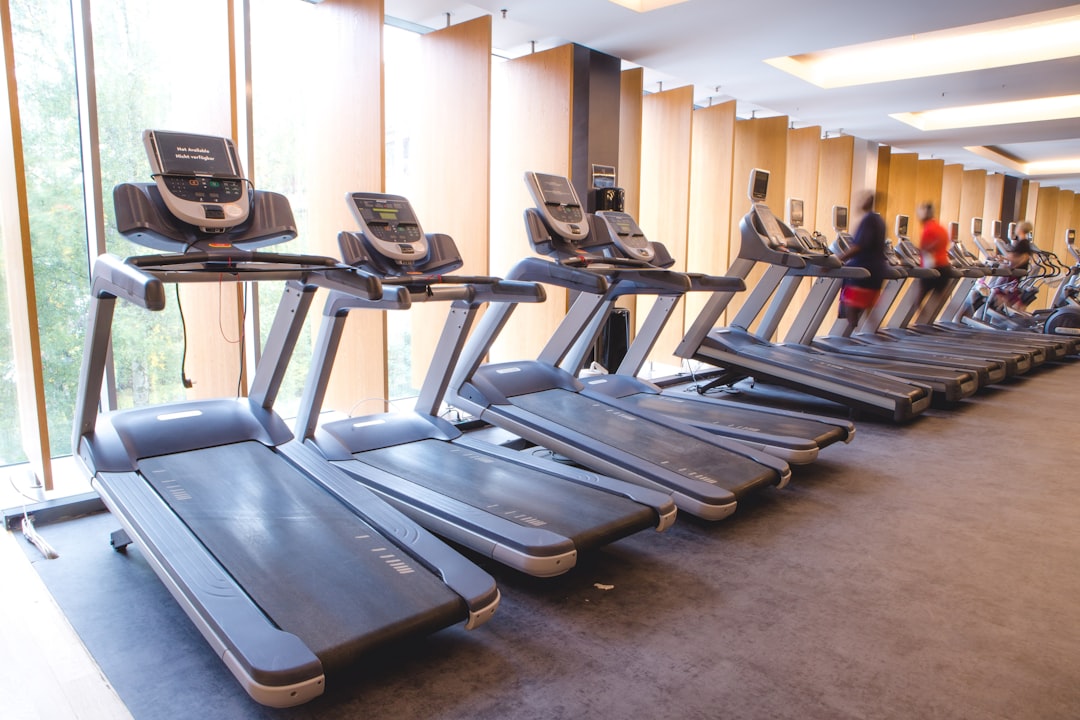
Most home treadmills do not wear out. They get killed by dust, sweat and a belt that nobody touched for two years. The good news is that keeping a machine healthy takes about 10 minutes a week and one longer session every three months. This guide gives you the exact schedule, the tools you need, and the checks that catch a problem while it still costs nothing to fix.
Why Cleaning Is a Mechanical Issue, Not a Cosmetic One
A treadmill has one big enemy: friction. The belt slides over the deck, the front and rear rollers spin on bearings, and the motor pulls current to keep everything at your set speed. Anything that adds drag anywhere in that chain makes the motor work harder and the controller board run hotter.
Dust and pet hair are the worst offenders. They get pulled under the belt, mix with the silicone lubricant and turn it into a grinding paste. They pack around the motor’s cooling fan and inside the motor housing, so heat cannot escape. Sweat drips onto the frame, the console and the belt edges, where salt slowly corrodes metal and stiffens the belt material.
None of that is visible from the running surface. By the time you notice a symptom, such as a hesitating belt, a louder motor or an error code, the damage has usually been building for months. If you already run a demanding block like the 12-week marathon prep or train 5-6 days a week, your machine sees near-commercial mileage and the schedule below is not optional.
What You Need
Keep a small kit next to the treadmill so maintenance never depends on finding supplies:
- Microfiber cloths, at least three: one for the console, one for the frame, one for the belt.
- A spray bottle with water and a few drops of mild dish soap. No solvents, no ammonia glass cleaner, no bleach. Those attack plastics and the belt’s top coating.
- A vacuum with a crevice tool or a soft brush attachment.
- 100% silicone treadmill lubricant. Not WD-40, not household oil, not silicone spray from a hardware store. Petroleum-based products dissolve the deck coating.
- The Allen key that came with the machine, usually 6 mm, for the rear roller bolts.
- A flashlight to look under the deck and around the motor.
Total cost is under 30 USD, and the lubricant lasts a year or more.
The Weekly 10 Minutes
Do this after your last session of the week, once the machine is switched off at the power switch and unplugged.
- Wipe the console and handrails. Spray the cloth, not the console. Moisture that runs into buttons or the heart-rate contacts is a common cause of dead displays.
- Wipe the belt surface and the side rails. Run the cloth along the top of the belt, then advance the belt by hand and repeat until you have covered the full loop. Sweat and shoe grit sit on the top surface and get pressed into the deck edges.
- Wipe the frame and motor hood. Dust on the hood is a preview of the dust inside it.
- Vacuum around and under the machine. Especially the area behind the rear roller and in front of the motor hood, where the intake sits on most designs.
- Listen for one minute. Plug it back in, run the belt at 4 km/h with nobody on it, and listen. A healthy machine has a steady hum. A new rhythmic tick, a rubbing sound or a whine under no load is your early warning.
Five minutes of wiping and five minutes of vacuuming, and you have prevented most of the failures that end treadmills before their fifth birthday.
The Monthly Check
Once a month, add these to the weekly routine. Budget 20 minutes.
- Belt tracking. Stand behind the machine, run the belt at 5 km/h and watch the gap between the belt edge and the side rail. It should stay centered within a few millimeters. If it drifts, adjust the rear roller bolt on the side it drifts toward by a quarter turn clockwise, run for a minute, and recheck. Small turns only.
- Belt tension. With the belt stopped, lift the edge in the middle of the deck. You should be able to raise it 5-7 cm off the deck. Much more than that and the belt will slip under a hard footstrike; much less and you are overloading the roller bearings and the motor. If you are seeing hesitation at push-off, read the dedicated guide on fixing a slipping treadmill belt before you touch the bolts.
- Deck lubrication test. Slide your hand under the belt at the center of the deck. It should feel slightly slick. If it feels dry or waxy, lubricate now instead of waiting for the quarterly slot.
- Power cord and plug. Look for kinks, heat discoloration on the plug or a loose fit in the outlet. Treadmills draw a lot of current on startup and a tired outlet is a real fire risk.
- Safety key and stop button. Pull the key mid-run at walking speed. The belt should stop within a second or two. If it coasts, the machine is not safe to run intervals on.
- Frame bolts. Grab the handrails and rock the machine. Anything that creaks or shifts gets tightened. Folding treadmills in particular loosen at the hinge over time.
The Quarterly Deep Service
Every three months, or roughly every 40 hours of use, do a proper service. Set aside 30-40 minutes. This is the session that decides whether the machine lasts three years or ten.
- Unplug and remove the motor hood. Usually four to six screws. Take a photo before you unscrew anything so you know where the cables sit.
- Vacuum the motor compartment. Use the brush attachment. Do not touch the controller board with a metal nozzle, and do not use compressed air, which just blows dust deeper into the motor windings. Pay attention to the fan blades and the vents on the housing.
- Check the drive belt. The short ribbed belt between the motor and the front roller should have light tension and no cracks or glazing on the ribs. A frayed drive belt is cheap to replace now and expensive when it snaps mid-run.
- Inspect the walking belt underside. Lift the edge and look at the fabric side. Uniform gray is fine. Shiny, glazed patches, threads coming loose or a visibly thinner section along one edge mean the belt is approaching end of life. Our guide on how often to replace a treadmill belt walks through the exact signs.
- Lubricate the deck. Loosen the rear roller bolts a few turns, lift the belt and apply the silicone in a thin line down each side of the deck, roughly 15-25 ml total for most home machines. Retension the belt, walk on it at 3-4 km/h for three minutes to spread the lubricant, then recheck tracking. The full method, including how much your specific belt needs, is in how to lubricate a treadmill belt.
- Level the machine. Put a spirit level across the deck. Most treadmills have adjustable rear feet. A machine that rocks or sits off level will pull the belt to one side no matter how carefully you track it.
- Reassemble and run a 10-minute test. Start at 4 km/h, step up to 8-10 km/h, add 3-5% incline, then bring it back down. Listen at each stage.
Tracking hours is easier than tracking dates. If your sessions are logged in Treadmill Pro, your total time on the belt is already in the workout history, so a 40-hour service interval becomes a number you can actually check rather than a guess.
Mistakes That Shorten a Treadmill’s Life
Some of the most common habits are worse than doing nothing:
- Over-lubricating. A soaked deck flings silicone onto the belt’s top surface and rollers, and the belt starts to slip. Thin lines, not puddles.
- Using the wrong lubricant. Anything petroleum-based, including generic silicone sprays with solvents, breaks down the deck’s phenolic coating and voids most warranties.
- Overtightening the belt. People chase a small slip by cranking both bolts a full turn. That loads the rear roller bearings and can bow the roller. Quarter turns, and check tension by the lift test.
- Running on a dusty floor or thick carpet. Carpet fibers get pulled straight into the motor. A hard mat under the machine cuts dust intake dramatically and protects the floor.
- Storing it near a heater or in direct sun. Heat dries out the lubricant and stiffens the belt. Silicone evaporates noticeably faster in a room that sits above 25 °C.
- Ignoring a small noise. Almost every expensive treadmill repair started as a sound that “wasn’t a big deal” for a few weeks.
Storage and Long Breaks
If the treadmill will sit unused for more than a month, or you are coming back after time off, do a short prep session rather than jumping straight in:
- Clean and lubricate before storage, not after. Dust settling on a dry deck is worse than dust settling on a lubricated one.
- Fold and lock the deck if the design allows, and cover the machine with a breathable cloth, not plastic, so moisture does not condense inside the motor hood.
- Before the first run back, do the full monthly check, then start with an easy session. A gradual return is better for your joints and for the machine, which is also the logic behind a treadmill comeback plan after injury.
The Schedule at a Glance
Pin this next to the machine:
- After every run: wipe sweat off the console, handrails and belt edges.
- Weekly (10 min): wipe down, vacuum around and under, one-minute listen at 4 km/h.
- Monthly (20 min): tracking, tension, deck feel, cord and plug, safety key, frame bolts.
- Every 3 months or 40 hours (30-40 min): motor compartment vacuum, drive belt, walking belt inspection, lubrication, leveling, test run.
- Yearly: consider a professional service if the machine is under a service plan, or replace the walking belt if the underside is glazed.
Do this consistently and a mid-range home treadmill will outlast the couch it sits next to. The whole routine adds up to under two hours a year, which is less time than one workout in most training plans.